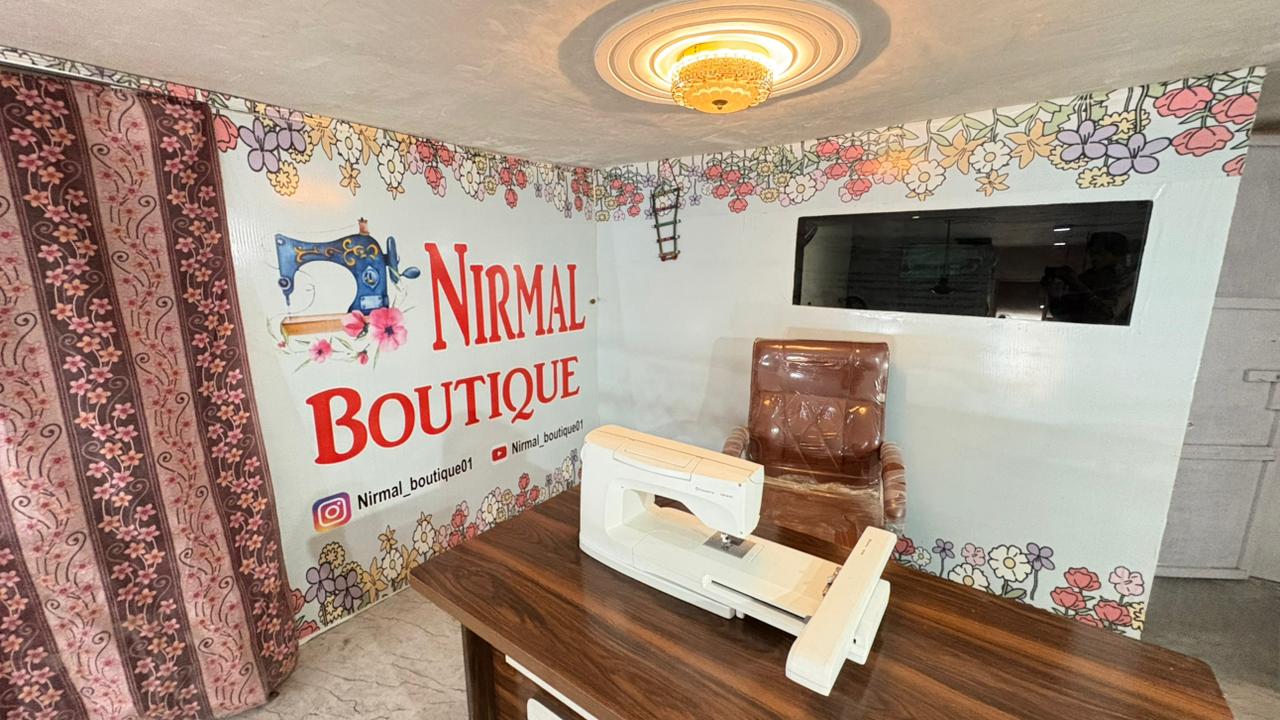
The Fashion Designing course at Nirmal Boutique in Sri Muktsar Sahib is a practical tailoring and design programme for beginners and home stitchers. It runs module by module through measurement, drafting, cutting, machine handling, stitching, finishing, piko and lace, embroidery, and pricing your own work. Batches are small, timings are morning, afternoon or evening, Monday to Saturday, and a certificate is issued on completion. Call +91 98555 86300 for current fees and the next batch date.
Who It Is For
For People Who Want This to Become Income
Plenty of women in and around Sri Muktsar Sahib can already stitch something simple at home. What stops it from becoming work is everything around the stitching: taking a measurement that actually fits, cutting without wasting fabric, finishing so it does not look homemade, and quoting a price that does not lose money.
This course is built around that gap. The machine work is taught properly, but so is the part nobody teaches, which is how to run the work.
Complete beginners with no stitching background
Home stitchers who want to take customer orders
Students planning to open their own setup
Anyone wanting a skill they can work from home with
Curriculum
What You Learn, Module by Module
Each module builds on the last, and you finish real garments rather than practice squares.
Module 1: Measurement and Body Reading
Taking every measurement correctly on a real person, understanding posture, shoulder slope and how the same number reads differently on different frames. Recording measurements so a repeat order does not need a second session. This is the module that decides whether everything after it fits.
Module 2: Machine Handling and Basic Stitches
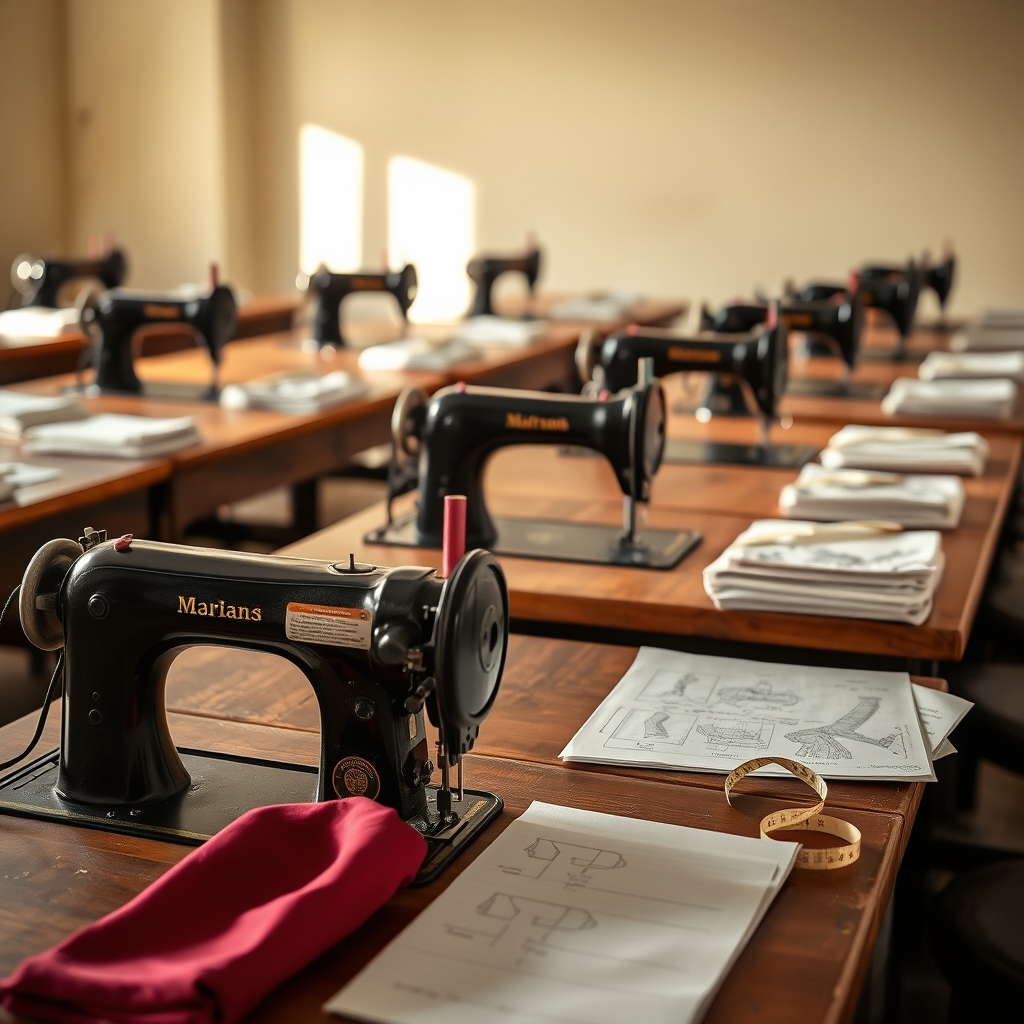
Threading, tension, speed control, straight and curved seams, backstitching, and troubleshooting the faults that stop a machine mid order. Domestic and industrial machines both covered.
Module 3: Drafting and Cutting
Drafting a basic bodice, sleeve and salwar block from measurements, adjusting the block for different fits, laying out on fabric to avoid waste, and cutting cleanly. Includes reading one directional prints so the design does not end up upside down.
Module 4: Stitching a Complete Suit
Assembling a full salwar kameez from your own cut pieces. Setting sleeves, attaching plackets, side seams, slits and hems. By the end of this module you have a wearable suit you made yourself.
Module 5: Finishing, Piko and Lace
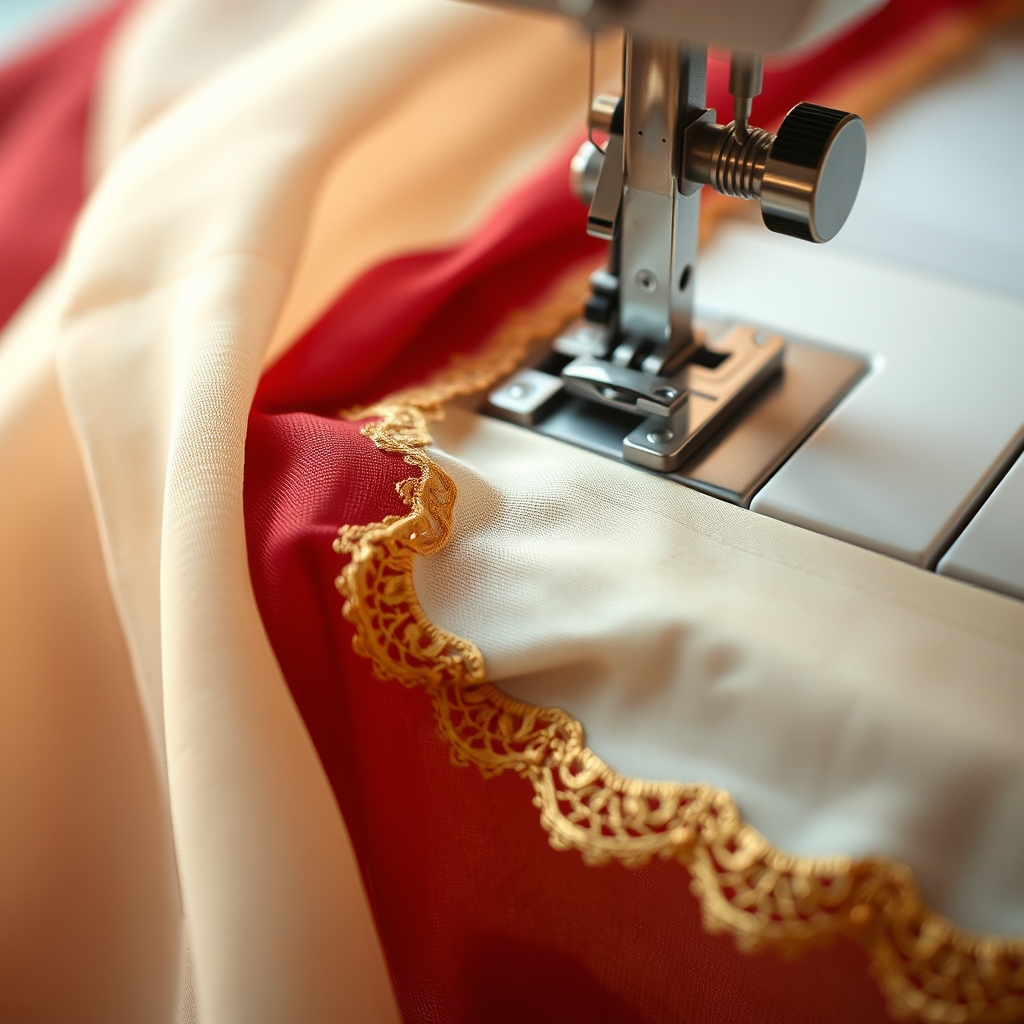
Overlocking, hemming, linings, hooks and fastenings, dupatta piko and lace application. Finishing is the difference between a garment that looks stitched and one that looks made.
Module 6: Embroidery and Handwork
Hand and machine embroidery basics, mirror work, sequin work and thread work. Placing a neck design against your own cut so the motif sits where it should.
Module 7: Design Variations
Neck designs, sleeve styles, Patiala salwar, plazo, sharara, Anarkali and kurti variations. Adapting one block into several styles instead of learning each from scratch.
Module 8: Alteration and Repair
Sizing up and down, length and sleeve changes, zip and lining replacement. Alteration work is steady daily income for most home setups, so it is taught as a skill in its own right.
Module 9: Running Your Own Work
Quoting a price that covers material, time and finishing. Setting realistic delivery dates. Handling a customer who is unhappy with the fit. Sourcing material and knowing what to keep in stock.
Duration and Fees
How the Course Runs
Two hour sessions, Monday to Saturday
Morning 10:00 AM to 12:00 PM, afternoon 2:00 PM to 4:00 PM, evening 4:00 PM to 6:00 PM subject to availability
Duration depends on the batch pace and how many modules you take
Small batches, so seats are limited and allotted in enrolment order
Certificate issued on completion
Fees are set per programme and discussed at enrolment, because they depend on which modules you take and whether you are starting from zero. Call +91 98555 86300 and we will explain the current structure plainly, with no hidden material charges.
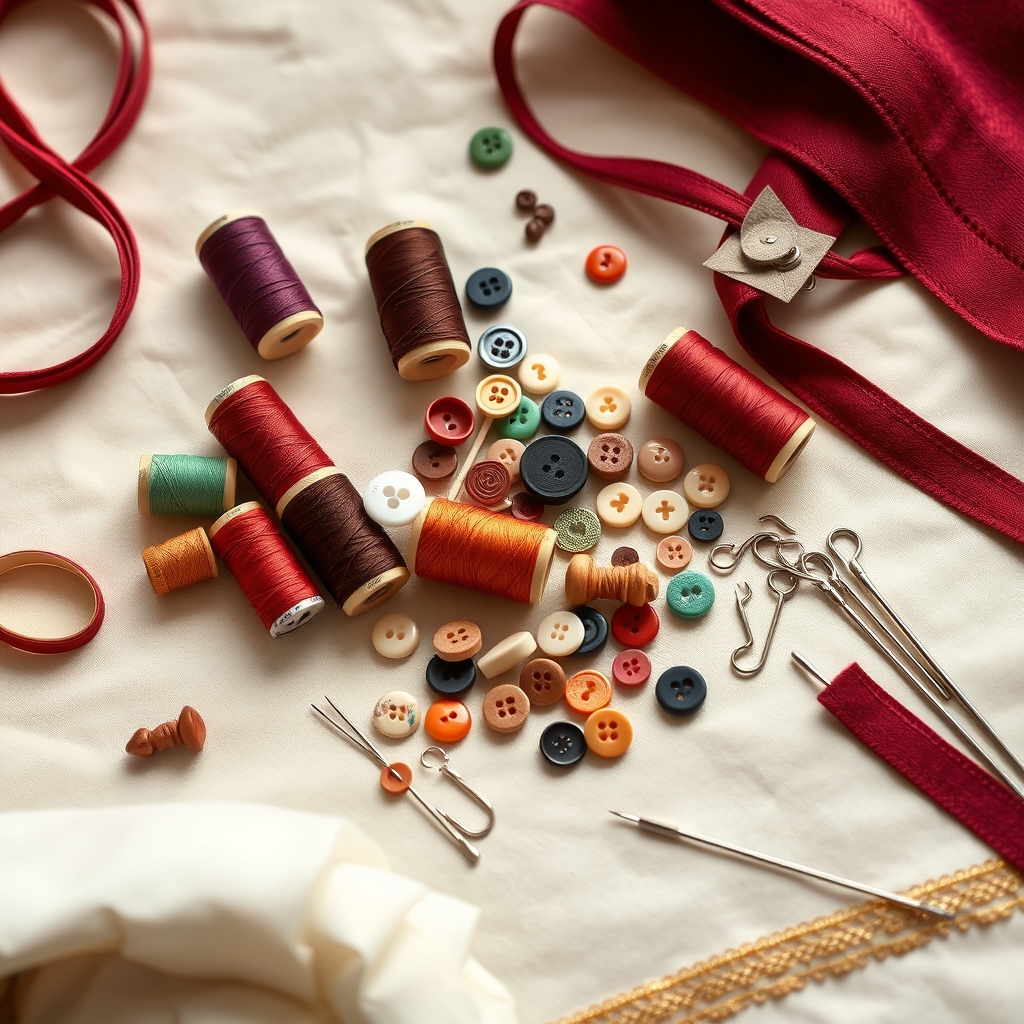
What most students will eventually own at home. Threading, tension and maintenance covered properly.
Industrial Machines
Faster and heavier. Useful if you plan to take volume orders or work in a shop rather than at home.
Overlock and Piko
Edge finishing and rolled hems, the machines that decide how professional the inside of a garment looks.
Cutting Tools
Full size cutting tables, shears, chalk, scales and curve rulers. Marking and cutting taught on the table, not the floor.
Embroidery Frames
Hand frames for sheesha, sequin and thread work, plus machine embroidery for repeating motifs.
Measuring Tools
Tapes, scales and pattern paper. You keep your own drafted blocks at the end of the course.
Pressing Equipment
Pressing at each stage rather than only at the end, which is what makes seams sit flat.
Material Stock
Threads, zips, laces, linings and trims from our munyari counter at student rates.
After the Course
What You Can Do With It
Work From Home
Take neighbourhood orders for suits, alteration and piko. The lowest cost way to start earning from the skill.
Open Your Own Setup
Module 9 covers pricing, delivery planning and stock, which is what a small shop actually runs on.
Work in a Boutique
You leave able to handle a real order end to end, which is what any tailoring shop is actually hiring for.
We are honest about this: a certificate does not get you customers. Finishing well and keeping delivery dates does. That is what the course is weighted towards.
No. The course starts at measurement and basic machine handling. If you already stitch at home, say so at enrolment and we will place you further along instead of repeating what you know.
How long does the course take?
It depends on batch pace and how many modules you take. Sessions are two hours a day, Monday to Saturday. We will give you a realistic duration when you enrol rather than a number that sounds good.
Do I need my own sewing machine?
No. You train on the shop's machines. Basic tools are provided and practice material is charged at student rates.
Is the certificate recognised?
The certificate is issued by Nirmal Boutique on completion of the course. If you need documentation for an institute requirement, see ITI practical training instead, which is set up for that.
Can I join mid batch?
Sometimes, depending on which module the batch is on. Call and ask, and we will tell you whether joining now or waiting for the next batch will serve you better.
Prefer to talk it through in person? Visit the boutique in Bagla Market, or book a slot so someone is free when you arrive.
Scroll to Top
Ready when you are
Ready to get your suit stitched exactly the way you imagined?
Every kind of suit work under one roof. Walk in with a photo, a fabric or just a function date, and we will take it from there.