
- A complete salwar suit with kameez, salwar and dupatta needs about 6.5 metres of 44 inch wide fabric
- Without a dupatta, budget roughly 4.25 metres
- At 36 inch width, add about 20 to 25 percent more length; at 58 to 60 inch, reduce by 15 to 20 percent
- A Patiala salwar needs 2.75 to 3 metres, and an anarkali kameez alone can need 3.5 to 4 metres
- One directional prints add 0.5 metre because pattern pieces cannot be nested
- Cotton, linen and rayon can shrink 3 to 5 percent, so pre-wash or add 0.25 metre
- Always confirm the fabric width before calculating length, as it changes the answer more than any other factor
Quick answer: A standard ladies salwar suit needs about 5 to 6.5 metres of fabric in total: roughly 2.25 to 2.5 metres for the kameez, 2 to 2.25 metres for the salwar, and 2.25 metres for the dupatta if it is not already included. The exact figure depends on fabric width, your height and size, the kameez length, and whether the print runs in one direction.
That range is the honest answer, and the rest of this guide explains how to land on the right number for your suit instead of guessing and coming up short. Buying half a metre too little is the single most common mistake we see at the counter, and once a printed lot is sold out, matching it later is usually impossible.
The short version: fabric requirement at a glance
These figures assume fabric of 44 inch width, which is the most common width for Indian dress materials, and an average adult woman of about 5 feet 3 inches.
| Garment piece | Fabric needed (44″ width) | Fabric needed (36″ width) |
|---|---|---|
| Kameez, knee length | 2.25 m | 2.75 m |
| Kameez, calf length (long kurta) | 2.5 to 2.75 m | 3.25 m |
| Salwar (regular) | 2 m | 2.5 m |
| Churidar | 2.25 m | 2.75 m |
| Patiala salwar | 2.75 to 3 m | 3.5 m |
| Palazzo | 2.5 m | 3 m |
| Dupatta | 2.25 m | 2.25 m |
| Complete suit (kameez + salwar + dupatta) | 6.5 m | 7.5 m |
Most ready dress material sets sold in shops already come as a three piece set with the correct quantity cut for you. The numbers above matter most when you are buying fabric by the metre from a roll, which is where the real savings and the real mistakes both happen.
Why fabric width changes everything
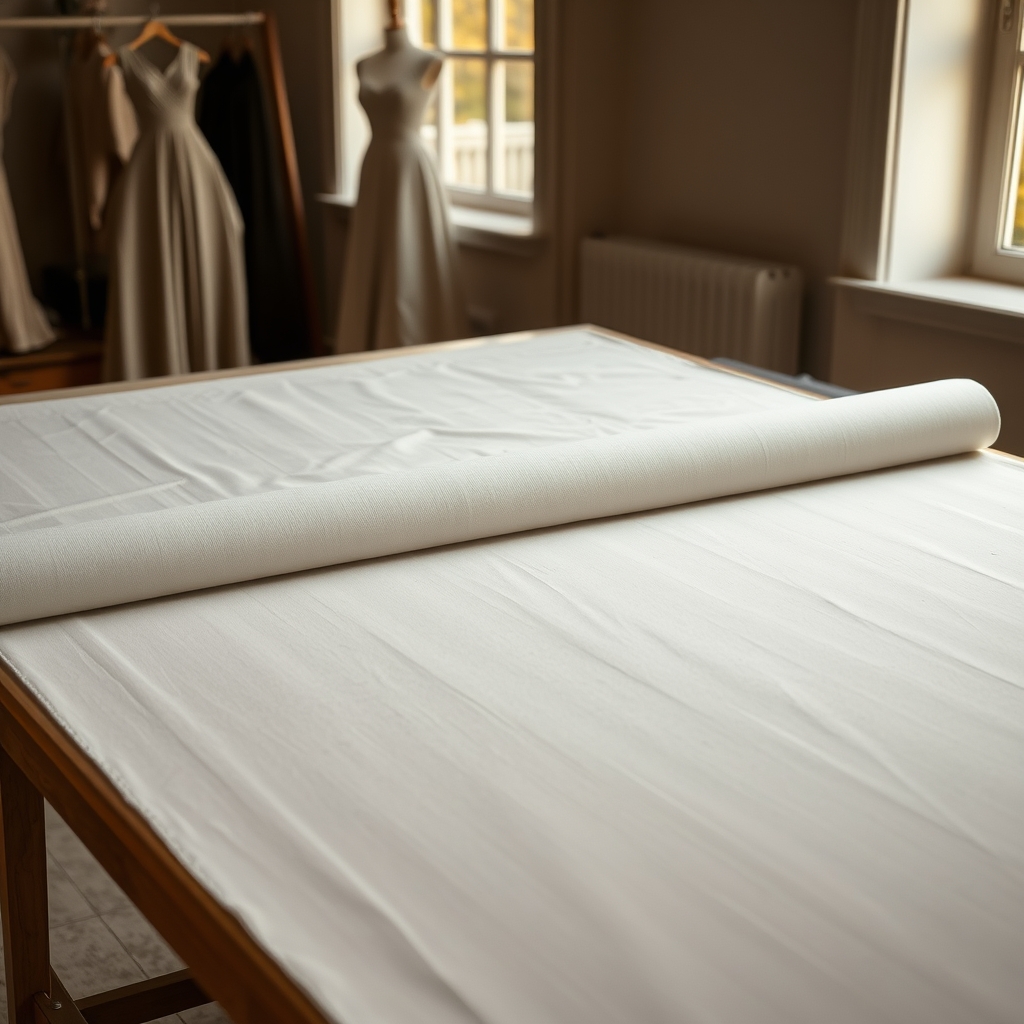
Fabric is sold by length, but it is cut by area. A wider cloth lets the tailor place more pattern pieces side by side, so you need less running length.
- 36 inch width: common in some cottons and handloom fabrics. Add roughly 20 to 25 percent more length than the 44 inch figure.
- 44 inch width: the standard for most Indian dress materials. All the base numbers in this guide use this width.
- 58 to 60 inch width: common in imported fabrics, crepes and some georgettes. You can usually reduce the length by about 15 to 20 percent.
Before you buy, ask the shopkeeper one question: what is the width of this cloth? It takes five seconds and it is the difference between enough fabric and a wasted trip.
How your own size and height change the number
The table above is a starting point for an average frame. Adjust from there:
- Height above 5’7″: add 0.25 to 0.5 metre to the kameez and 0.25 metre to the salwar.
- Height below 5′: you can usually take 0.25 metre off the kameez.
- Bust above 42 inches: add 0.5 metre. Larger pattern pieces stop nesting efficiently on the cloth, so the increase is more than proportional.
- Full or flared kameez (anarkali, A-line): add 1 to 1.5 metres. A heavily flared anarkali can need 4 metres for the kameez alone.
- Full sleeves instead of short: add 0.25 metre.
Five things that quietly increase what you need
1. One directional prints
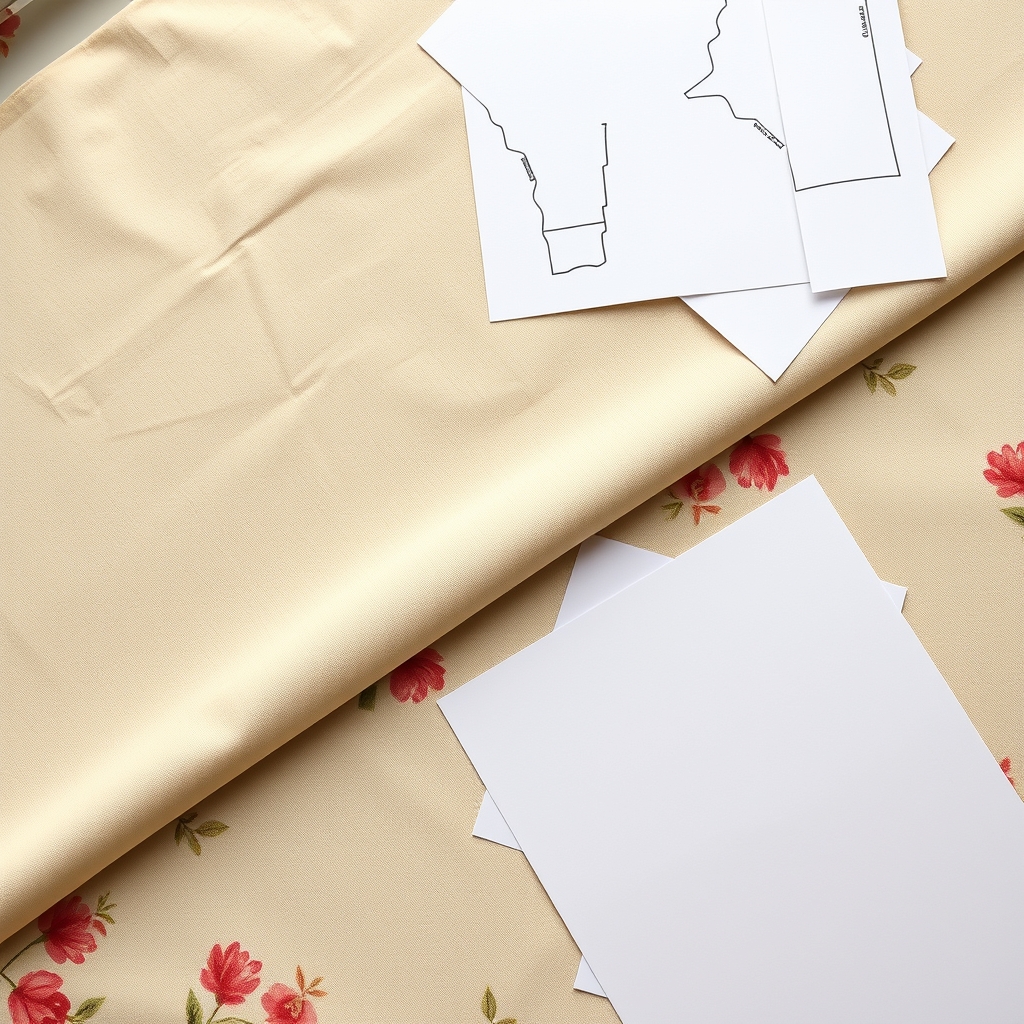
If a print has a clear top and bottom, such as standing flowers or a border that runs along one edge, every pattern piece must face the same direction. The tailor loses the ability to interlock pieces, so add 0.5 metre to whatever you calculated.
2. Checks, stripes and large motifs
Matching a check or stripe across a side seam, or centring a large motif on the front, means cutting with alignment in mind and discarding the offcuts. Add 0.5 metre for checks and stripes, and up to 1 metre for very large repeating motifs.
3. Shrinkage
Cotton, linen and rayon can shrink between 3 and 5 percent on the first wash. On a 6 metre purchase that is up to 30 centimetres, which is roughly the length of a sleeve. Either pre-wash the fabric before stitching or add 0.25 metre to cover it. Silk, georgette and most synthetics shrink far less.
4. Lining
Sheer fabrics such as georgette, chiffon, net and light cotton usually need lining. That is a separate purchase, typically the same length as the piece being lined. A lined kameez means another 2 to 2.5 metres of lining cloth, though lining is much cheaper than the main fabric.
5. Alterations later
If you expect to let out a seam in future, ask for an extra 0.25 metre and keep the leftover piece. A matching patch is worth far more than the small amount it costs at the time of purchase.
A worked example
Say you are 5 feet 8 inches, you want a calf length kameez with full sleeves in a printed cotton with a one way floral design, plus a regular salwar and a dupatta. The fabric is 44 inches wide.
- Kameez, calf length: 2.75 m
- Height above 5’7″: +0.5 m
- Full sleeves: +0.25 m
- One directional print: +0.5 m
- Cotton shrinkage: +0.25 m
- Salwar: 2 m
- Dupatta: 2.25 m
Total: 8.5 metres. That is two full metres above the standard figure, and every one of those additions is a real requirement rather than padding. This is exactly why a blanket answer of “six metres” leaves so many people short.
How to check before you cut
The safest sequence, and the one we follow at the counter:
- Decide the style first. Straight kurta, A-line and anarkali need very different quantities.
- Take your measurements, or get them taken properly. Guessing your kameez length from an old suit that never fit well repeats the same error.
- Confirm the fabric width.
- Apply the adjustments above for print direction, shrinkage and lining.
- Round up to the next quarter metre. Fabric is cheaper than regret.
If you are unsure, bring the design you want and your measurements to a tailor before buying the fabric. A two minute conversation costs nothing. Buying six metres of a beautiful printed cotton and discovering you needed seven costs the whole piece.
What we do at Nirmal Boutique
We stock dress materials, laces, buttons and trims alongside the stitching service, which means you can pick the fabric and have the quantity checked in the same visit rather than buying blind elsewhere and hoping. If you bring your own cloth, we will tell you honestly before cutting whether it is enough for the design you have in mind.
You can read more about how we approach measurement and fitting, or see the full range of stitching, materials, jewellery and rental services we offer in Sri Muktsar Sahib.
Frequently asked questions
How many metres of cloth are needed for a salwar suit?
A complete salwar suit with kameez, salwar and dupatta needs about 6.5 metres of 44 inch wide fabric for an average adult woman. Without the dupatta, budget around 4.25 metres. Taller frames, larger sizes, flared styles and one directional prints each add to this.
How much cloth is required for a Patiala salwar?
A Patiala salwar needs 2.75 to 3 metres of 44 inch fabric, noticeably more than a regular salwar, because of the deep pleating that gives it its shape.
How much fabric does an anarkali suit need?
An anarkali kameez alone can take 3.5 to 4 metres of 44 inch fabric depending on the number of panels and the depth of the flare. Add the bottom and dupatta separately.
Is 2 metres enough for a kurti?
For a short kurti up to hip length on a small to medium frame, 2 metres of 44 inch fabric is usually enough. For knee length allow 2.25 metres, and for calf length allow 2.5 to 2.75 metres.
Does dress material already include the dupatta?
Most three piece dress material sets include the kameez piece, the bottom piece and the dupatta. Two piece sets do not include a dupatta. Check which one you are buying, as it changes the total by more than 2 metres.
Should I buy extra fabric?
Yes. A quarter metre of spare fabric costs very little and covers shrinkage, cutting adjustments and future alterations. Once a printed design is sold out, a matching piece is usually impossible to find.